
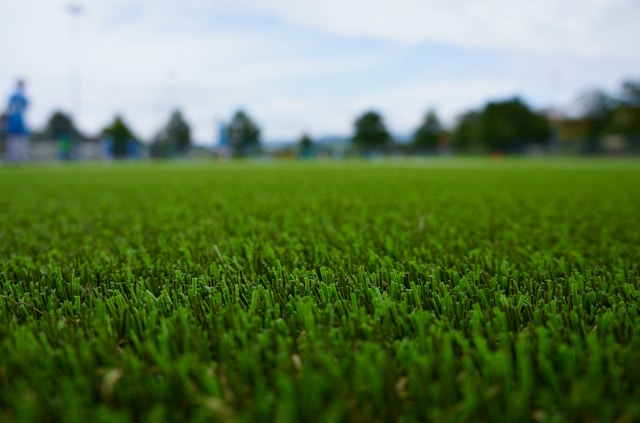
Australians are spending more on outdoor living spaces than ever before, but with the ongoing water shortages and sweltering heat in cities like Perth, Adelaide, and Brisbane becoming more and more difficult to handle. It’s getting tough for real lawns to survive in these places, with permanent water restrictions pretty much dictating when and how much a residential sprinkler system can run, and those hot summer days often sending natural grass into hibernation or worst case totally shutting down on your lawn. Artificial turf products have filled the gap, but with so many on offer, it’s hard to figure out what you really need for a long lasting solution the specs that really matter are never the ones being touted in the advertising.

Why Water Restrictions Are Changing The Conversation About Lawns For Good
Western Australia’s Water Corporation have been laying down rules for when you can water your outdoor area since 2007 under their permanent water efficiency measures. These aren’t some temporary drought response they’re here to stay, because WA is just getting less and less rain every year. If you want a green outdoor space without having to get a PhD in irrigation compliance, then artificial turf products could be for you no more worrying about when you can turn on the sprinklers, no seasonal browning, and no more worrying about the water bill.
The heat out here in WA, SA, and QLD is just crushing the life out of natural grass even with a compliant irrigation system it’s still a real struggle to keep your lawn looking decent through summer, especially if you’ve got a lot of foot traffic or not much shade.
The Specs That Actually Matter For A Good Performance
I mean pile height is what most people first look at when buying and sure, taller is not always better. Anything over 35mm and the pile can start to lay flat under foot traffic if the infill isn’t up to scratch looks all matted and gets worse with time. For areas that get a lot of use, something between 25-35mm with a good fibre and decent infill will generally hold up better in the long run.
Fibre shape isn’t so easy to see, but it’s actually way more important than you might think. C shaped fibres just can’t handle the pressure and are a lot more prone to collapse than say W shaped or S shaped ones. If you’ve got kids or pets running around on your lawn, understanding fibre shape is a pretty valuable thing to do before you buy a product.
Backing density and drainage speed are pretty critical in places like Australia where summer storms can drop a load of water in no time. If the backing isn’t draining quick enough we’re talking less than 30L/m2 per hour you’ll end up with puddles everywhere after a heavy downpour and a higher risk of sub surface moisture problems to boot.
Lastly, you got to make sure your turf is lead free certified and meets the ISO standards if you’ve got kids using the thing. Some of the cheaper imported options aren’t actually compliant with Australian safety standards, and if the supplier can’t show you the paperwork, that’s a major red flag.
Residential Vs Commercial Applications
The same product can’t be relied upon to tick all the boxes for both applications and meeting performance demands is a different story, with one wrong call on specifications meaning a costly mistake. When it comes to residential installations, looks and being pet friendly are top of the agenda. Owners with pets just need to know that the product they choose will handle the odd accident without letting urine or heavy foot traffic cause any damage to the fibres or backing.
Commercial and sports focused applications on the other hand require a product with really high durability ratings, such as specific surface hardnesses tied to the particular sport being played, and in some cases just that bit extra to take the rough with the smooth. Playground and childcare installations, in particular, come with their own set of strict Australian Standards requirements for fall attenuation, this prescribes how much impact the surface is expected to absorb from a certain height. Don’t even think about trying to meet this requirement with a standard residential product though.
Rooftop and balcony installations come with their own host of extra considerations leg weight loads and drainage compatibility with the existing building stormwater management. The weight of the backing material and infill needs to be compared against the structural capacity of the surface and the drainage system needs to be compatible with the building’s existing stormwater management.
What Does Installation Say About Long Term Performance?
You can slap on the best product you can afford but if the subbase underneath is a shambles it will just not perform to its best. Proper subbase preparation is what gets the least attention in budgets things and when you’ve got experienced contractors on the job, that is what worries them the most. Without proper compaction, the surface will just settle unevenly over time, creating patches where water collects and others where you can feel the surface giving way underfoot.
The way you place your seams is what decides whether the finished product looks like the real deal or a botched job. Techniques where the seams go across the main viewing direction, as opposed to along it, are way less noticeable to the naked eye. The way you secure the edges, by way of nails, adhesive or a combination of both, is also what has a big say on how long they stay intact under foot traffic and remain intact through seasonal changes and expansions.
Questions Worth Asking Before You Commit
- What is the manufacturer’s UV rating and under which climate zone was it tested in?
- Does the warranty cover fading, structural integrity or both, and what are the conditions?
- Is the product pet safe, and what cleaning method do the manufacturer even recommend?
- Is the drainage rate going to cut it in the face of the rainfall profile of the installation site?
- What type of infill is needed, and what effect will it have on surface temperature if exposed to full sun?
That last one is particularly relevant in Australian conditions, it’s not till you’re cooking your feet on a hot surface under the full sun of summer that you begin to understand why this is a thing.

